
 By
By 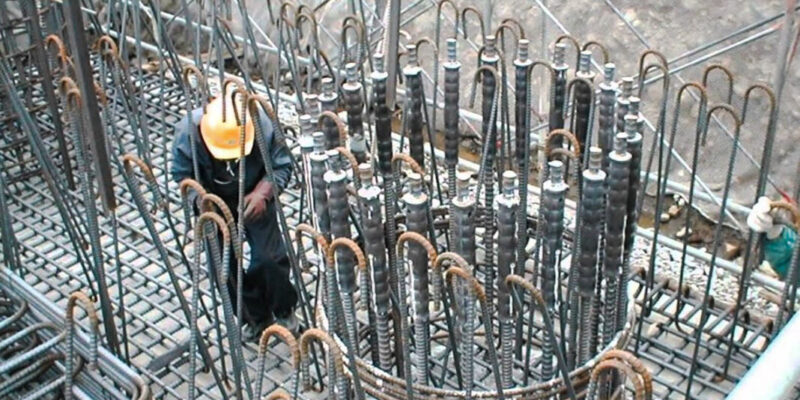
Rebar is a vital component in reinforced concrete construction. Tensile strength helps concrete withstand forces like bending, stretching, and compression. Rebar splices are the connections made between individual rebar elements to create a continuous reinforcement system. These splices are crucial for maintaining the structural integrity of the concrete, as they ensure that the reinforcement effectively transfers loads and resists deformation.
There are several types of rebar splices, including lap splices, mechanical splices, and welded splices. Lap splices, the most common type, involve overlapping the ends of two rebar elements and binding them together with wire. Mechanical splices utilize mechanical devices, such as couplers or sleeves, to connect the rebar, while welded splices involve using electric arc welding to fuse the rebar ends together. Choosing a splice type often depends on structural design and construction methods, as well as local building codes.
Importance of timely rebar splice inspections
Inspecting rebar splices is a critical step in the construction process, as it ensures that these vital connections meet the required standards and specifications. Timely inspections help identify any potential issues or defects in the splices, such as inadequate overlap, incorrect wire placement, or damage to the rebar. Early detection of such issues allows for prompt corrective actions, ensuring that the structural integrity of the concrete is not compromised.
Rebar splice inspections play a crucial role in quality control and assurance. They allow for verification that the construction process is following the design specifications and that rebar is being properly installed. Regular inspections also help identify any deviations from the approved construction methodology, allowing for immediate adjustments to be made. A proactive quality control approach not only ensures structural safety but also prevents costly delays and repairs.
Best practices for determining inspection timing
To ensure that rebar splices are inspected at the optimal time, several best practices should be followed. A comprehensive inspection plan should be developed in collaboration with the design team, contractors, and inspectors. An inspection plan should outline specific requirements, such as frequency, scope, and methodology. Also, any delays or disruptions that may affect the inspection process should be taken into account.
Regular communication and coordination between all parties involved in the construction process are essential. This includes the design team, contractors, inspectors, and any other relevant stakeholders. By maintaining open lines of communication, any potential issues or concerns are addressed promptly, and the inspection process is adapted as needed.
Role of innovative technologies
Innovative technologies have emerged that greatly enhance the inspection process for rebar splices. One such technology is Griptec, an advanced rebar splice system that utilizes mechanical couplers to create strong and reliable connections. Griptec offers several advantages, including increased splice strength, reduced installation time, and improved quality control.
The Griptec system incorporates advanced engineering and design principles to ensure optimal performance. The mechanical couplers are precision-engineered to provide a secure and consistent connection, eliminating the variability often associated with traditional lap splices. The couplers not only increase structural integrity but also simplify inspection, providing a clear visual indication of splice quality. With a well-planned approach to rebar splice inspections, construction projects proceed with confidence, knowing that the structural integrity of their concrete structures is being diligently monitored and maintained.






Comments