
 By
By 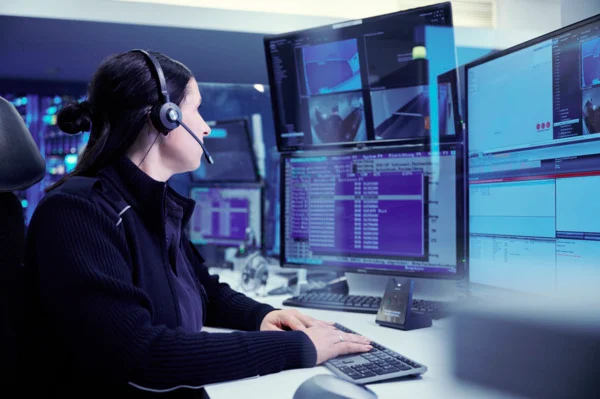
Commercial properties need steady oversight because unusual activity can develop during quiet hours. Remote security gives trained personnel a clear view of alerts from cameras and connected equipment. Prompt attention can help staff understand unusual movement, forced entry signs, open access points, or other concerns before conditions grow harder to manage for staff nearby. Businesses seeking additional security guidance can explore https://paceprotections.com/san-antonio/.
Continuous Alert Review
A monitored security system can send signals when selected conditions change. Trained personnel review those signals to separate routine activity from concerns needing attention. This process supports faster awareness without requiring staff to watch every area. Clear escalation steps direct urgent matters toward the right contact.
Camera signals can reveal unusual movement around restricted areas.
Door alerts can highlight access changes during quiet periods.
Equipment warnings can indicate faults needing prompt inspection.
Recorded footage can support clearer review after unexpected alerts.
Contact procedures can guide staff toward suitable immediate action.
Faster Threat Recognition
Early recognition can reduce delays when unusual events begin near business property. Remote teams can assess camera views with alarm information to understand what may be happening. Relevant details can reach designated contacts quickly. This approach supports decisions when staff members are away from the premises.
Visual checks help confirm whether an alert needs attention.
Alarm details provide useful context during urgent business situations.
Timely notices allow responsible staff to respond without delay.
Clear records support accurate review of unusual commercial activity.
Trained monitoring personnel can assess signals with consistent care.
Connected Equipment Oversight
A strong security system can combine cameras with alarms and access controls. Remote observation helps these components work together through shared alerts. When one device reports an unusual condition, related information can help build a clearer picture. This approach supports oversight across offices, storage areas, entrances, and shared spaces, making https://paceprotections.com/san-antonio/ a useful resource for businesses seeking dependable commercial security solutions.
Clear Incident Escalation
Effective monitoring depends on more than receiving alerts. Each security concern needs a clear path toward review and notification. Remote personnel can follow procedures based on the type and urgency of the signal. This reduces uncertainty for on-site contacts making quick decisions during urgent business situations.
Better After Hours Awareness
Commercial properties can face concerns when regular staff are not present. Remote oversight keeps attention focused during evenings, weekends, holidays, or other quiet periods. Recorded information can support later review when an event requires closer examination. Consistent attention can identify repeated patterns needing further inspection.
Quiet period monitoring keeps important areas under regular observation.
Recorded clips can clarify events that require later checking.
Repeat alerts may reveal conditions needing timely corrective action.
Remote checks can support staff during longer unoccupied periods.
Clear notifications help maintain awareness beyond normal working hours.
A practical monitoring plan combines reliable equipment, trained review, clear contacts, and defined response steps. Together, these measures help teams notice unusual conditions sooner, understand alerts clearly, and act with purpose. Regular testing should confirm that cameras, alarms, communication routes, and the security system remain ready for use. This approach creates stronger awareness without placing constant observation duties on employees.









Comments